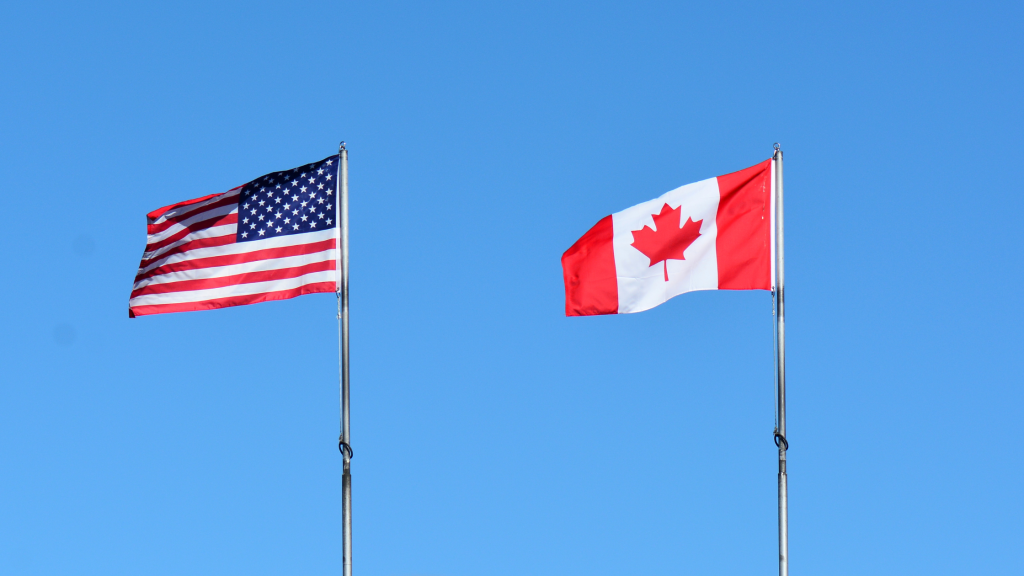
Unfortunately, there are hidden costs associated with the U.S. tariffs that need to be discussed. In the spring of 2018, I would spend every Wednesday to Friday in Washington negotiating the Canada-United States-Mexico Agreement (CUSMA). For anyone who has been part of a negotiation team, you know how much work, time, and commitment it demands. However, we were all deeply invested in achieving a negotiated outcome that would reduce tariff and non-tariff barriers while increasing market access between our three countries.
I could never have imagined that less than a decade later, CUSMA would be under threat and the decades-long trading relationship between Canada and the United States would begin to deteriorate.
In less than 24 hours, the Trump Administration’s imposition of a 25-per-cent tariff on all Canadian goods, except energy products, will take effect. We can all appreciate the immediate economic impact to Canadian businesses and households, including the risk of a modest recession if the tariffs remain in place for one year.
What we are not fully contemplating, however, is the risk of polarization between our two countries. Canada and the United States have developed more than a trading relationship. As Prime Minister Justin Trudeau noted this weekend:
“Together we’ve built the most successful economic, military and security partnership the world has ever seen, a relationship that has been the envy of the world. Yes, we’ve had our differences in the past, but we’ve always found a way to get past them.”
What hit home for me this weekend was watching an NHL game and listening to fans boo the American national anthem (as they did at an NBA game), in response to the tariffs. It may seem trivial to some, but this is how the seeds of polarization are sown.
Tariffs will undoubtedly harm both economies, but the greater risk is the erosion of the friendship and bond that our two countries have built. Polarization can lead to heightened nationalism, the scapegoating of groups, and a deepening divide between communities. These societal rifts can spill into organizations, disrupting cross-border partnerships, creating tensions between employees, leaders and board members, and undermining unity and collaboration.
How Nationalist Resentment Impacts Organizations
Nationalist resentment can fracture organizational cohesion and erode trust among employees, clients, and other stakeholders. Employees may carry nationalist rhetoric into the workplace and board room, leading to strained relationships and even discrimination. Companies that rely on cross-border collaboration may face challenges as polarization disrupts the trust needed for effective partnerships. Moreover, organizations that fail to address these dynamics risk reputational damage and a weakened ability to operate in an increasingly interconnected world.
What Organizations Can Do
Organizations must take a proactive leadership role to address polarization, fostering inclusion, and reinforcing cross-border solidarity. Here’s how:
1. Promote Cross-Border Solidarity
- Emphasize shared interests: Leaders should highlight the economic and cultural ties between Canada and the U.S., particularly in industries that rely on cross-border collaboration.
- Encourage dialogue: Facilitate conversations among stakeholders from both countries to build understanding and reduce division.
- Recognize shared values: Reinforce commitments to inclusion, equity, and collaboration that transcend borders.
2. Counteract Divisive Narratives
- Challenge oversimplified rhetoric: Tariffs and trade disputes are complex. Blaming one country or group oversimplifies these issues. Boycotting goods and services when our supply chains are deeply integrated does not solve the problem. Organizations should educate employees and stakeholders about the broader context.
- Leverage internal communications: Use newsletters, town halls, and leadership messages to promote facts over fear, ensuring people across the organization are informed rather than misled.
3. Address Nationalist Rhetoric and Bias
- Monitor and address xenophobia: Ensure that frustration over trade disputes does not translate into bias against American colleagues, clients, or business partners.
- Set the tone at the top: Leaders, including board members, must model inclusive behaviour, emphasizing that political or economic tensions should not erode collaboration, psychological safety and professionalism.
4. Use Corporate Platforms to Advocate for DEI
- Promote responsible messaging: Avoid rhetoric that fuels division. Frame economic challenges as opportunities for collaboration and equity-focused solutions.
- Support equitable policies: Advocate for trade measures that protect marginalized workers and small businesses in both countries, such as continuing to support Indigenous and equity-deserving suppliers.
- Strengthen cross-border DEI collaboration: Partner with U.S.-based DEI organizations to demonstrate that inclusion transcends political and economic disputes.
While the economic consequences of tariffs are significant, the social fallout from polarization could be even more damaging. Organizations have an important role to play in mitigating these divisions by fostering cross-border solidarity, countering divisive narratives, addressing nationalist rhetoric and bias, and advocating for equitable policies. By doing so, they demonstrate that mutual understanding and cooperation across borders is essential to building resilient organizations and communities—it is the sustainable path forward.